


Our Vision
Dean's message
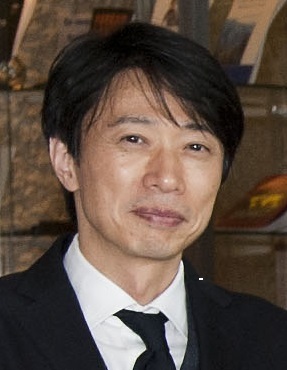
The Center for Early Childhood Development, Education, and Policy Research (CEDEP) was founded on July 1, 2015, to establish a new interdisciplinary research field: "Comprehensive research for early childhood education and care (ECEC) practice and policy," which combines research on early childhood development, ECEC practice, and public policies. Early childhood research is a wide-ranging field with various topics to be discussed. To make an effective breakthrough in ECEC practice and policy, CEDEP, as a research excellence initiative, will collaborate with domestic and international research organizations, parents, caregivers, educators, and teachers, local and national governments, and relative institutions to explore the issues.
In the spring of 2020, "Collaborative Laboratory on ECEC" opened as the base of our collaborative projects in Shibuya Nursery School in Shibuya City, one of the local governments with which CEDEP collaborates. Additionally, "Shibuya Project" has been underway since the following year in 2021. When you have the opportunity, please take a look at the following three books that were created as a result of this project: "Hikari to Maru no Fantasy (Fantasy of Light and Ball)," "Zerosai no Kodomotachi no Happa (Leaves of 0-Year-Olds)," and "OHP no Souzou to Souzou (OHP Imagination and Creation)." Shibuya Project was inspired by Italy's Reggio Emilia approach. These books contain lively expressions of children's feelings and thoughts that came about as a result of their interaction with people, things, and nature that they experienced by fully utilizing their power of perception, sensibility, language, and body. Children are supported by ECEC staff and researchers who listen to individual child's expressions of feelings and thoughts. Their wonderments and questions drive them to encounter "beauty," and they enjoy a rich learning experience by gaining multiple opportunities to explore and to make expressions.
It cannot be said that modern Japanese society is a society that brings happiness to children as well as to adults who interact with and raise them. Despite this condition, CEDEP endeavors to collaborate with various related research fields to investigate children's growth and learning, to bridge research and practice, and to research the type of living environment, childcare methods, and ECEC necessary for children's growth. In April 2023, "the Basic Act on the Child" was enforced. This law specifies the basic principle of children's policies and provides for the comprehensive regulation of children's rights for the first time in Japan. Satisfying the "best interests of a child" specified in this law would mean that our society would change into one in which our society as a whole would value the well-being of individuals, including that of adults, more than now.
“All academic disciplines lead to ECEC.”
As a comprehensive university, our goal is to work together with everyone, to make the most of the wide-ranging knowledge accumulated at the University of Tokyo. Together, we will create an agora of knowledge, an open space where everyone, including children and their caregivers, can come together and talk. We thank you and appreciate your ongoing support and cooperation.
Masaaki Katsuno, Ph.D.
Dean , Graduate School of Education
The University of Tokyo
Director's Message
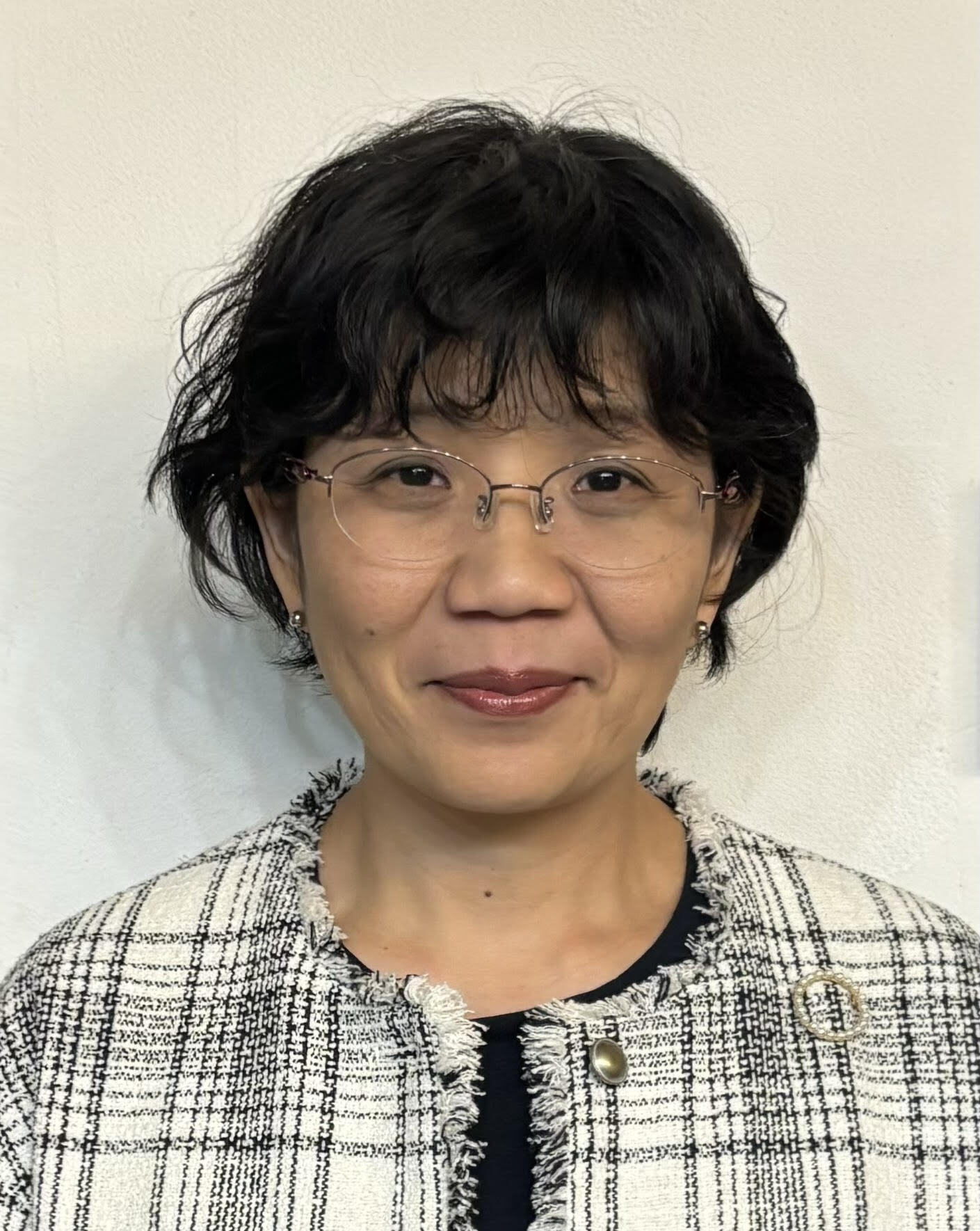
The Center for Early Childhood Development, Education and Policy Research (CEDEP), affiliated with the Graduate School of Education at the University of Tokyo, is the only international policy research center at a Japanese university dedicated to advancing research in early childhood education and care. Established in 2015 with the aim of building evidence-based policy grounded in developmental science, CEDEP is now celebrating its 10th anniversary.
CEDEP was founded in response to the growing global recognition of the importance of early childhood. Over the past decade, that awareness has only deepened. There is no doubt that appropriate care and education during early childhood are critical to lifelong well-being. As research into early development advances and technologies such as ICT and AI evolve rapidly, CEDEP continues its mission to explore, both theoretically and practically, how best to design environments and experiences for young children.
At the same time, it is increasingly important to consider how children are positioned as citizens in society, and how we can create a sustainable future together. Japan’s 2023 Basic Act on Children and the 2024 National Strategy for Children affirm that young children are not only future members of society but individuals living in the here and now. We must deepen our exploration into how we can listen to their voices, build a shared future, and engage with people and the world in meaningful ways.
CEDEP has actively pursued innovative and exploratory research in four key areas: parenting and care, developmental foundations, policy, and human resource development. It collaborates with national and local governments, companies, and domestic and international research institutions, while also launching practical projects and policy studies. For more on our research and projects, please visit the CEDEP website.
We are committed to further developing our work and contributing to society. Your support is essential to continue our efforts. If you are sympathetic to our mission, we would deeply appreciate your contribution via the “Fund for Supporting Childcare and Early Childhood Education Research” or through other donation-based initiatives. Thank you very much.
Sachiko Asai, Ph.D.
The director of CEDEP
